Myth-Busting: Common Misconceptions About 3D Design
MB
Understanding 3D Design
3D design has revolutionized industries from architecture to entertainment, yet it remains shrouded in mystery for many. Unraveling common misconceptions can help demystify this fascinating field. Let's dive into some of the most pervasive myths and set the record straight.
Myth 1: 3D Design Is Only for Experts
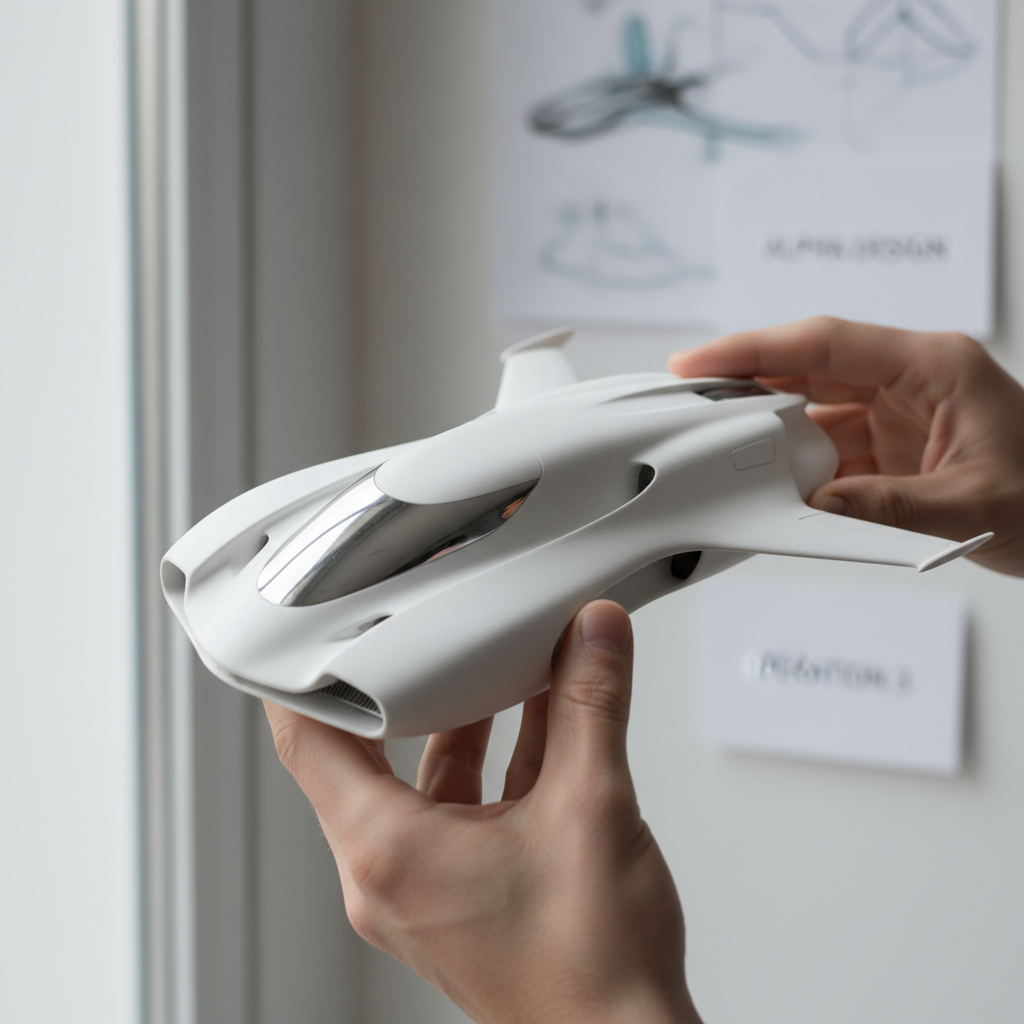
Many people believe that 3D design is an elite skill, reserved for highly trained professionals. While it's true that expertise can elevate the quality of work, modern software has made 3D design more accessible than ever. User-friendly tools now allow beginners to experiment and create stunning visuals without extensive training. Whether you are a hobbyist or a professional, there are platforms designed to cater to various skill levels.
Myth 2: 3D Design Is Expensive
The perception that 3D design is prohibitively expensive is another common misconception. While high-end software and hardware can be costly, many affordable and even free alternatives exist. Open-source programs and budget-friendly options provide powerful capabilities without breaking the bank, making 3D design a viable option for individuals and small businesses.
Myth 3: It's Only for Animation and Games
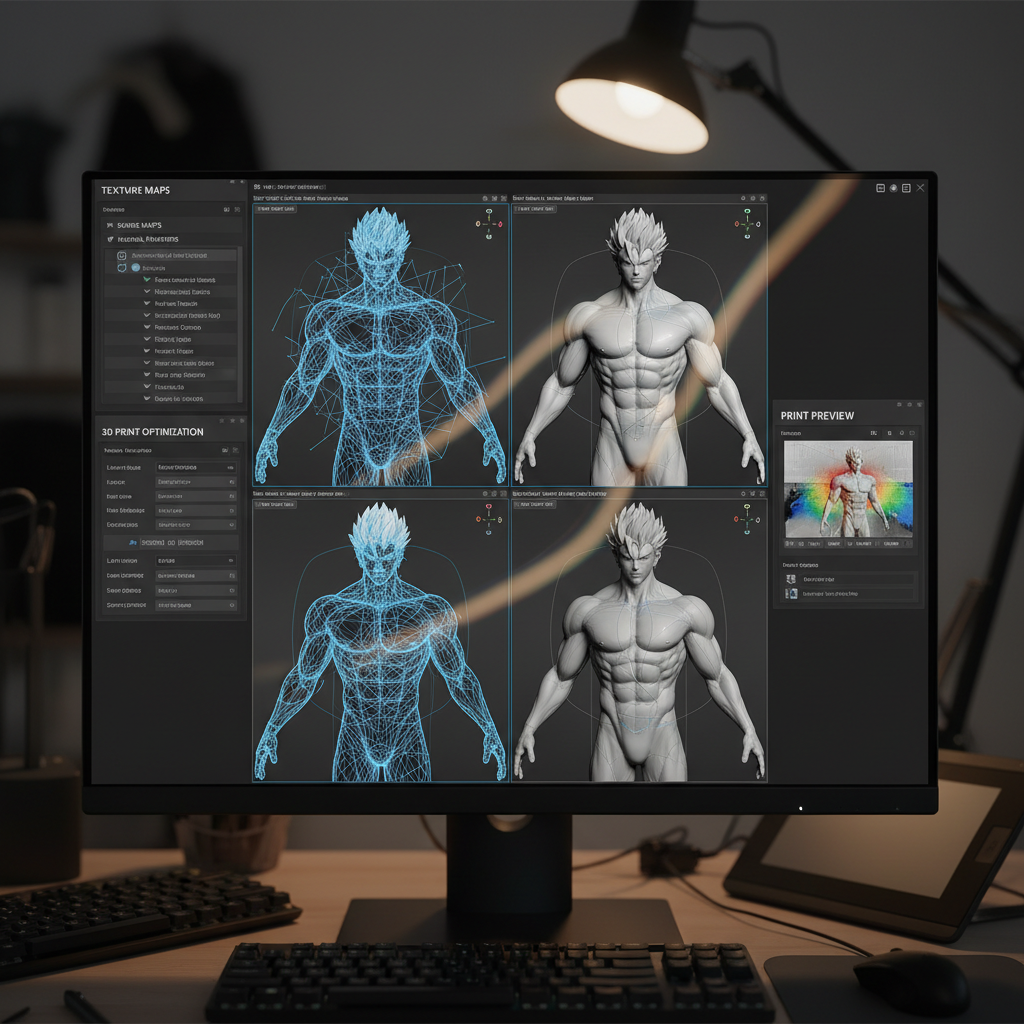
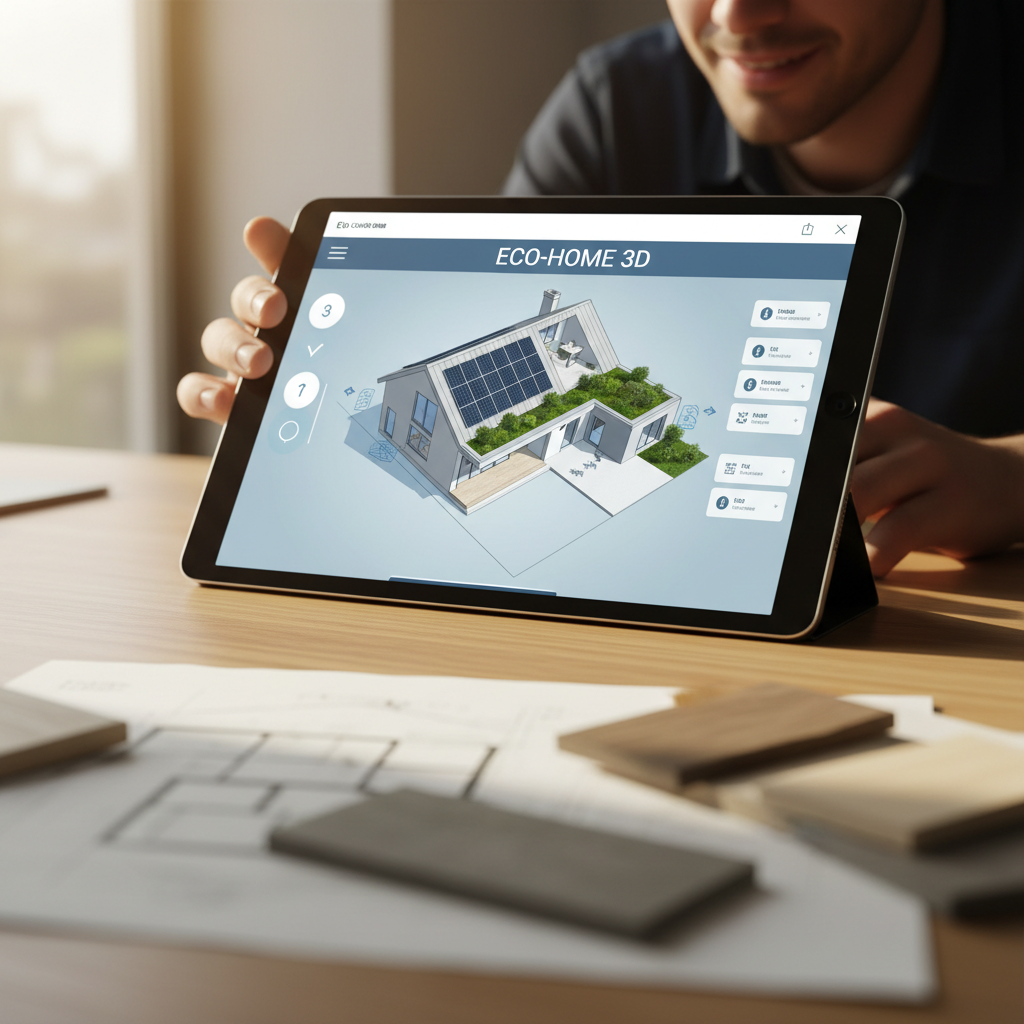
3D design's application extends far beyond animation and gaming. Industries ranging from healthcare to fashion utilize 3D modeling to visualize concepts, prototype products, and enhance consumer experiences. For instance, architects use 3D design to create detailed building models, while medical professionals employ it for surgical planning and education.
The Real Benefits of 3D Design
Improved Visualization: One of the greatest strengths of 3D design is its ability to transform abstract ideas into tangible visuals. Whether it's a new product or an architectural concept, 3D models offer a clearer understanding of dimensions and aesthetics.
Myth 4: Learning 3D Design Takes Years
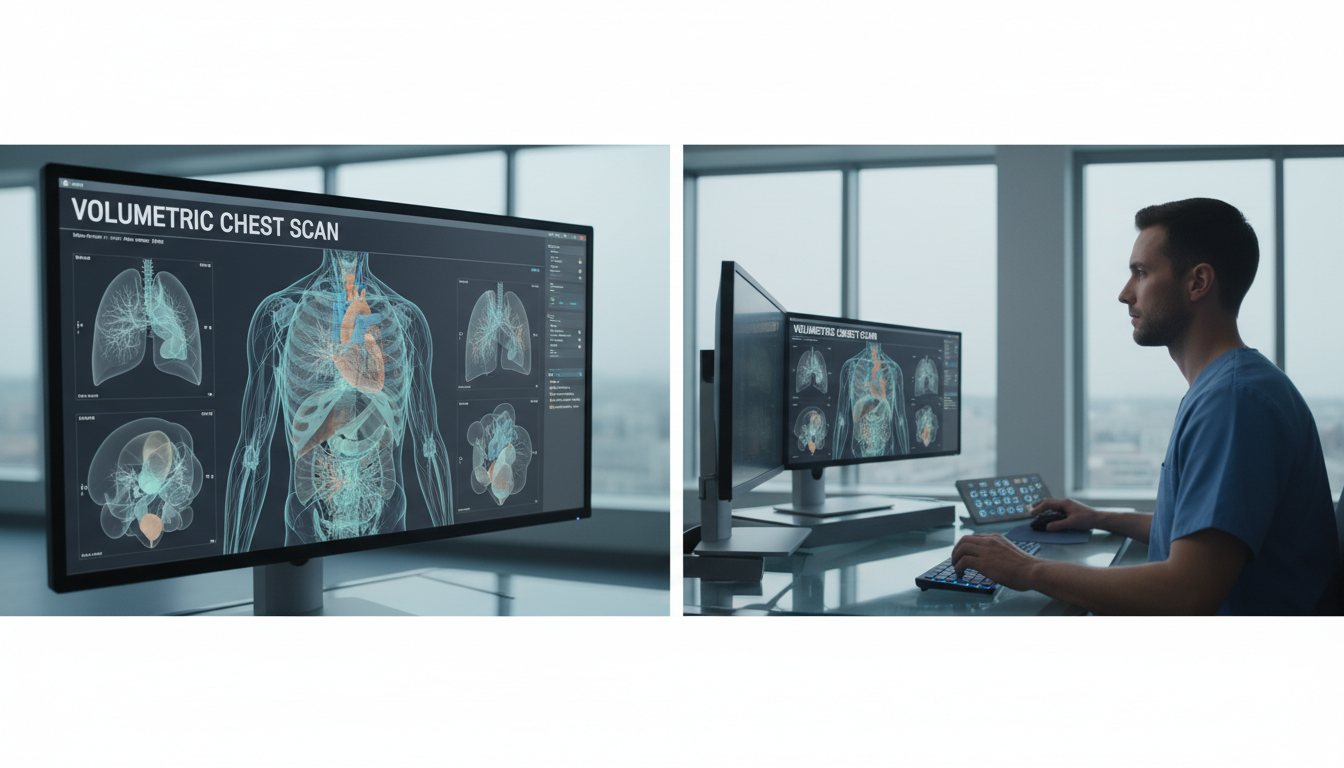
While mastering 3D design can take time, basic skills can be acquired relatively quickly with dedication and the right resources. Numerous online tutorials, courses, and communities provide invaluable support for learners at every stage. The key is consistent practice and a willingness to explore different tools and techniques.
Myth 5: 3D Design Is a Passing Trend
Some skeptics view 3D design as a fleeting trend, soon to be replaced by the next technological advancement. However, the continuous evolution and integration of 3D technology across various sectors suggest otherwise. As industries increasingly rely on 3D modeling for innovation and efficiency, its relevance will only grow.
Conclusion
3D design is a dynamic and versatile field, offering immense potential and opportunities. By debunking these myths, we hope to encourage more people to explore and embrace the world of 3D design. With the right tools and mindset, anyone can harness its power to create, innovate, and inspire.