How to Integrate 3D Design into Your Next Event: Tips and Tricks
MB
Introduction to 3D Design in Events
Incorporating 3D design into your event can significantly enhance the experience for attendees, making it more interactive and memorable. Whether you're organizing a corporate event, a trade show, or a product launch, using 3D design can set your event apart from the rest.
Understanding the Basics of 3D Design
Before diving into the integration of 3D design, it's essential to understand what it entails. 3D design involves creating a digital representation of objects in three dimensions—height, width, and depth. This additional depth offers a more lifelike and immersive experience.
Choosing the Right Tools and Software
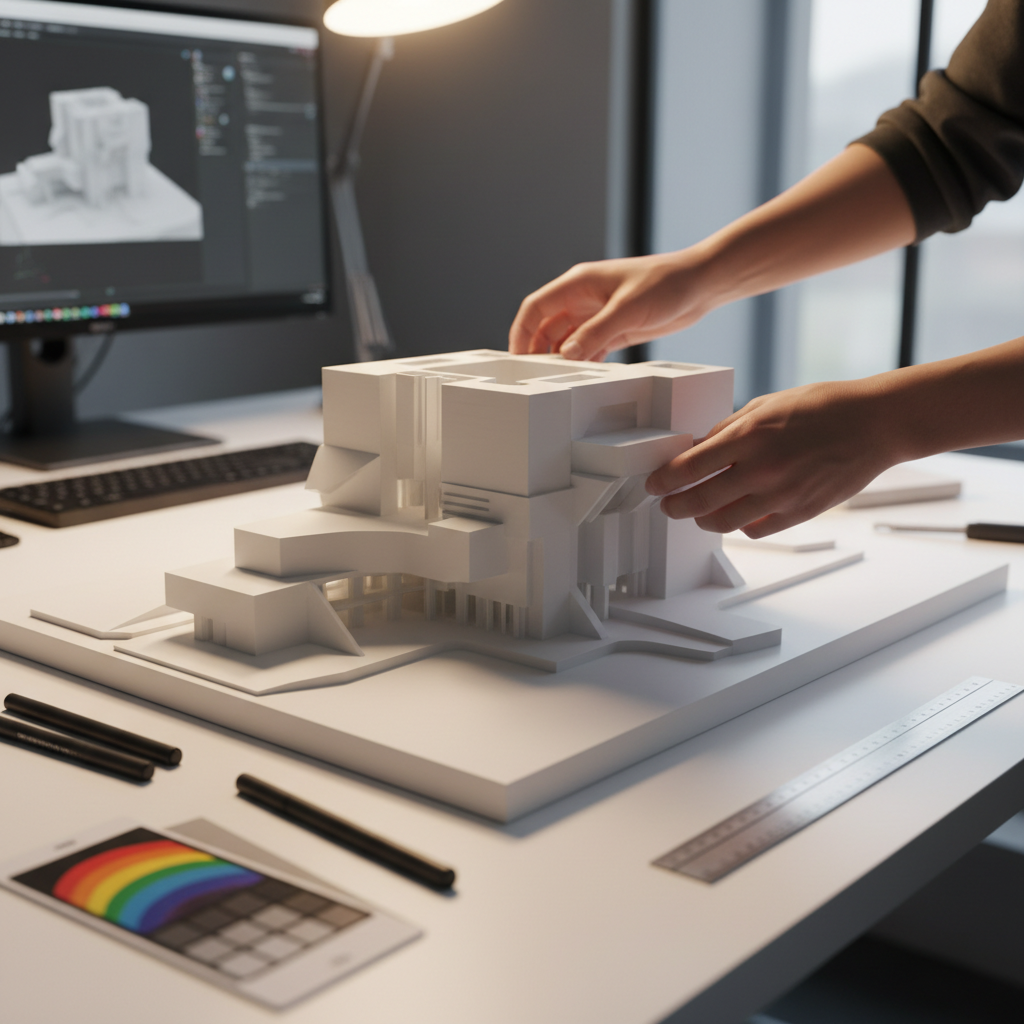
Selecting the right tools is crucial for successful 3D design integration. Popular software options include Blender, SketchUp, and AutoCAD. Each of these platforms has unique features and capabilities, so consider your event's specific needs and your team's expertise when making a choice.
Additionally, ensure that your chosen software can produce high-quality visuals that align with your event's theme and goals. Collaborating with experienced 3D designers can also elevate the quality of your designs.
Integrating 3D Design into Event Planning
Once you have a grasp of the tools, the next step is integrating 3D design into your event planning process. Start by identifying areas where 3D design can add value, such as stage design, interactive displays, or virtual reality experiences.
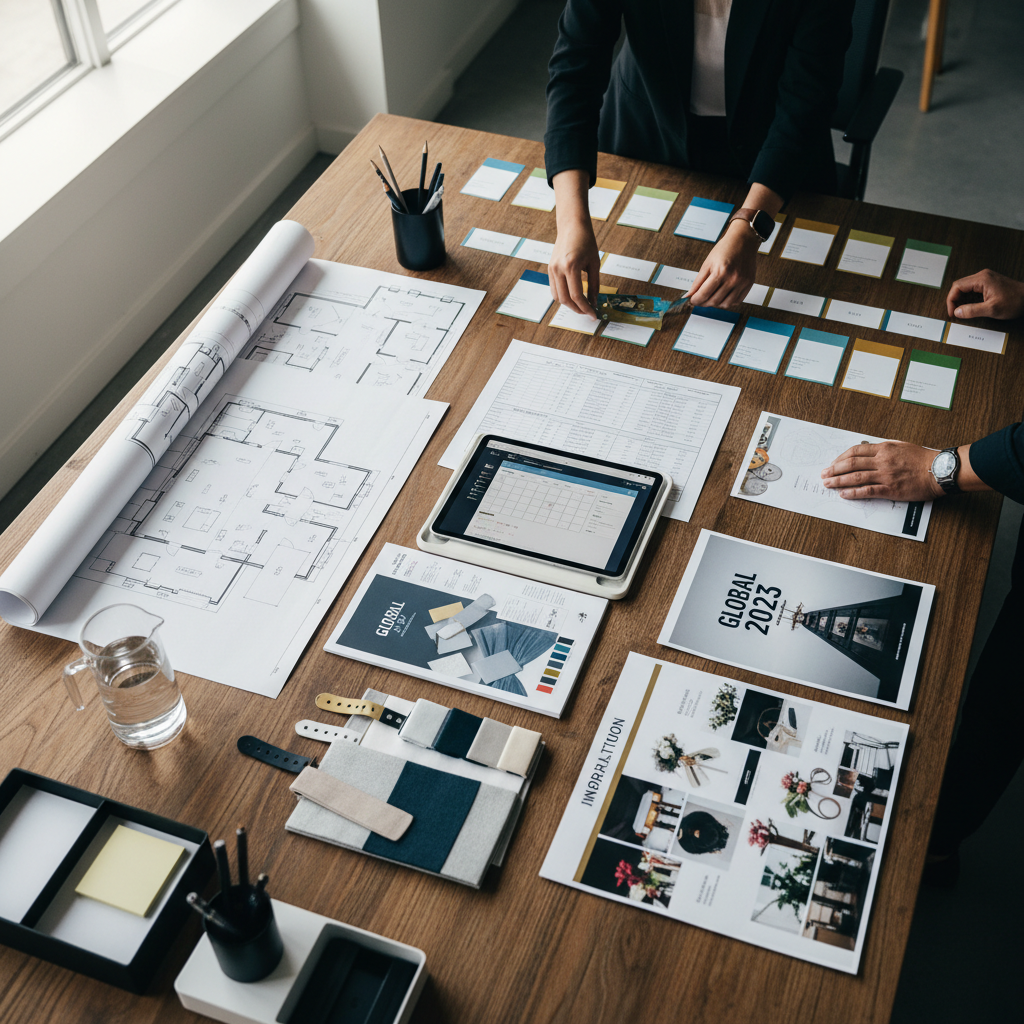
Use 3D design to create detailed models of your event space. This visualization helps in planning the layout, ensuring all elements fit seamlessly together. It also allows stakeholders to visualize the event before construction begins, facilitating better decision-making.
Enhancing Attendee Engagement
3D design can significantly boost attendee engagement. Consider creating interactive 3D models that attendees can explore using tablets or VR headsets. This technology can be used for product demonstrations, virtual tours, or even games that align with your event's theme.
Another approach is to use augmented reality (AR) to blend digital elements with the physical environment, offering a unique and engaging experience.

Logistics and Practical Considerations
While 3D design offers many benefits, it also requires careful planning and logistics. Ensure your event venue can support the technical requirements of 3D displays and any additional equipment, such as VR headsets or AR devices.
Plan for sufficient power sources and internet connectivity, and consider hiring technical staff to manage the setup and troubleshooting during the event.
Measuring the Impact of 3D Design
After the event, it's important to evaluate the success of your 3D design integration. Collect feedback from attendees on their experiences, and analyze engagement metrics to assess which elements were most effective.

Use this data to refine your approach for future events, ensuring that your 3D design efforts continue to add value and enhance attendee experiences.
Conclusion
Integrating 3D design into your event can transform the experience for your attendees, creating lasting impressions and fostering engagement. By understanding the basics, choosing the right tools, and carefully planning your integration, you can leverage this powerful technology to elevate your next event.