Exploring the Benefits of 3D Design in Modern Craftsmanship
MB
Introduction to 3D Design in Craftsmanship
The fusion of technology and traditional craftsmanship has created a new realm of possibilities. One of the most significant advancements in this area is the use of 3D design. This technology not only enhances creativity but also streamlines production processes, making it a valuable tool for modern artisans.
Enhancing Creativity and Precision
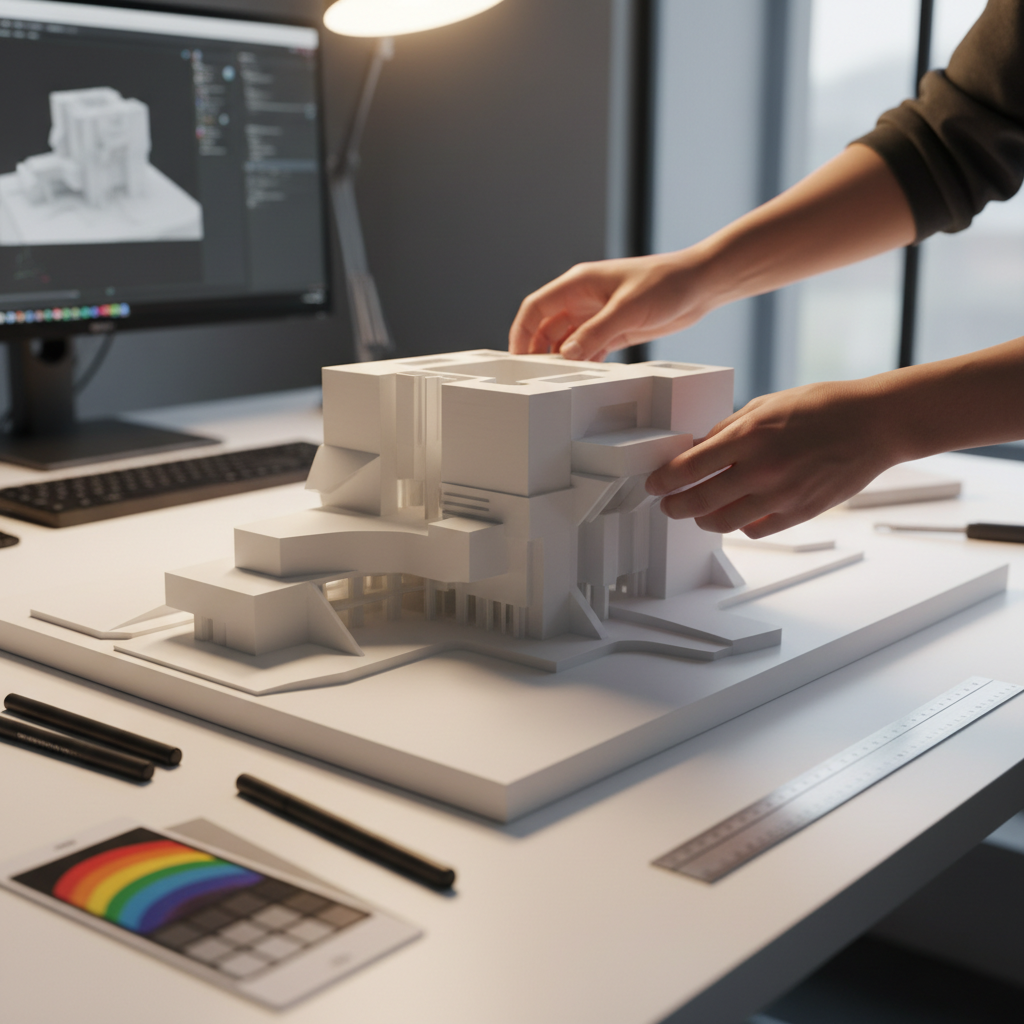
3D design empowers craftsmen by allowing them to visualize and manipulate designs with unprecedented precision. Artisans can experiment with shapes, textures, and patterns in a virtual space before commencing the physical creation. This capability leads to more innovative and intricate designs that were once impossible to achieve manually.
Moreover, the precision offered by 3D design tools ensures that every detail aligns perfectly with the artisan's vision. This precision minimizes errors, reduces material waste, and enhances the quality of the final product.
Streamlining the Production Process
The integration of 3D design in craftsmanship significantly streamlines the production process. By creating a digital prototype, artisans can easily modify and refine their designs without starting from scratch. This flexibility not only saves time but also allows for a more efficient use of resources.
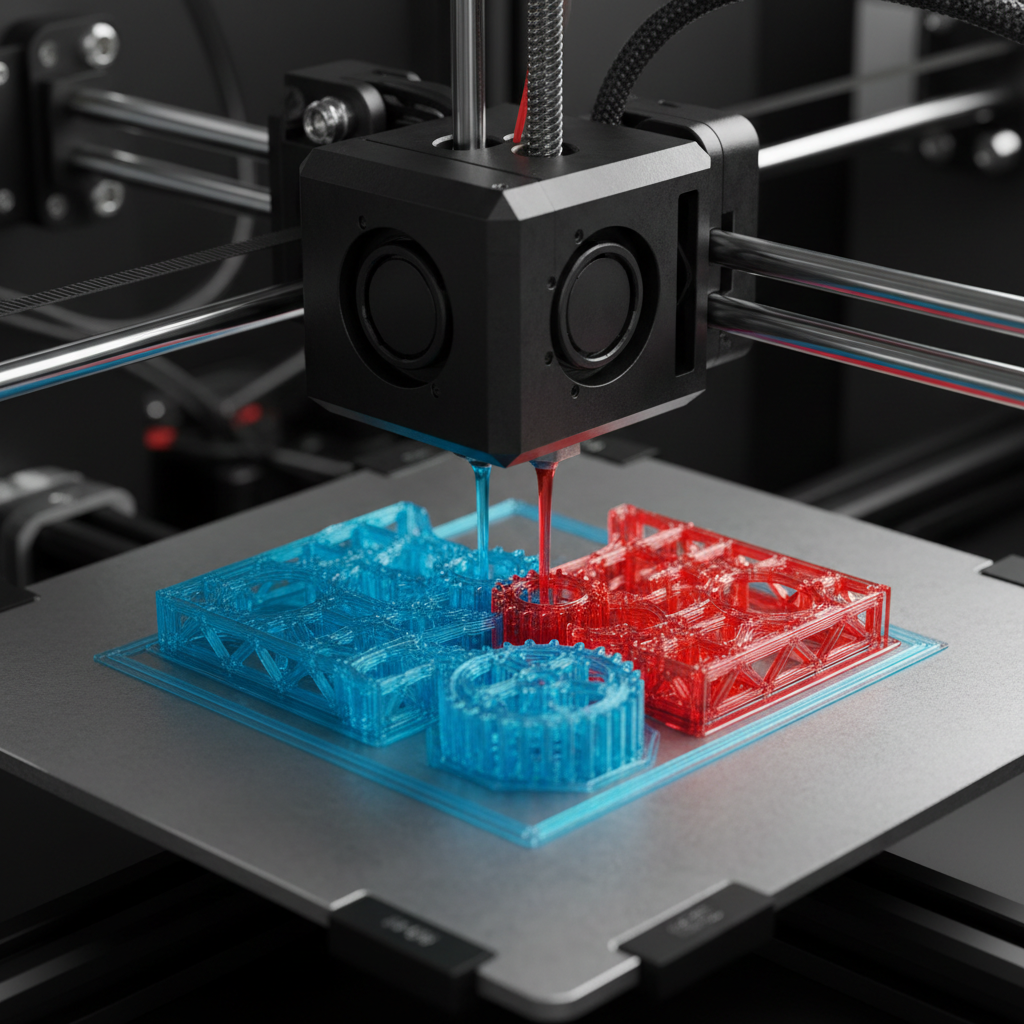
Additionally, 3D design assists in creating molds or templates that can be used to replicate designs with consistency. This capability is particularly beneficial for artisans who produce items in batches, ensuring each piece maintains the same high standard of quality.
Customization and Personalization
One of the most appealing benefits of 3D design in craftsmanship is the ability to offer customization and personalization. Artisans can tailor their creations to meet specific client preferences, creating unique, one-of-a-kind pieces. This level of customization enhances customer satisfaction and can drive higher demand for bespoke items.
Clients can be involved in the design process, providing feedback and suggestions that the artisan can quickly incorporate into the design. This collaborative approach not only strengthens the client-artisan relationship but also results in products that are truly reflective of the client's desires.
Sustainability and Environmental Impact
3D design plays a crucial role in promoting sustainability within craftsmanship. By optimizing designs and minimizing waste, artisans can create products that are environmentally friendly. Furthermore, the precision of 3D design reduces the need for excessive material usage, thereby conserving natural resources.
Many artisans are now using biodegradable or recycled materials in conjunction with 3D design technology, making their creations not only innovative but also eco-conscious. This approach aligns with the growing consumer demand for sustainable products.
Conclusion: The Future of Craftsmanship
The integration of 3D design into modern craftsmanship is not just a trend; it represents a transformative shift in how artisans approach their work. By enhancing creativity, improving efficiency, and promoting sustainability, 3D design is empowering artisans to push the boundaries of what is possible.
As technology continues to evolve, the potential applications of 3D design in craftsmanship will undoubtedly expand, offering even more exciting opportunities for artisans to explore and innovate.